

New National Survey Reveals: Young People Rarely Stay Connected to Employers After Internships
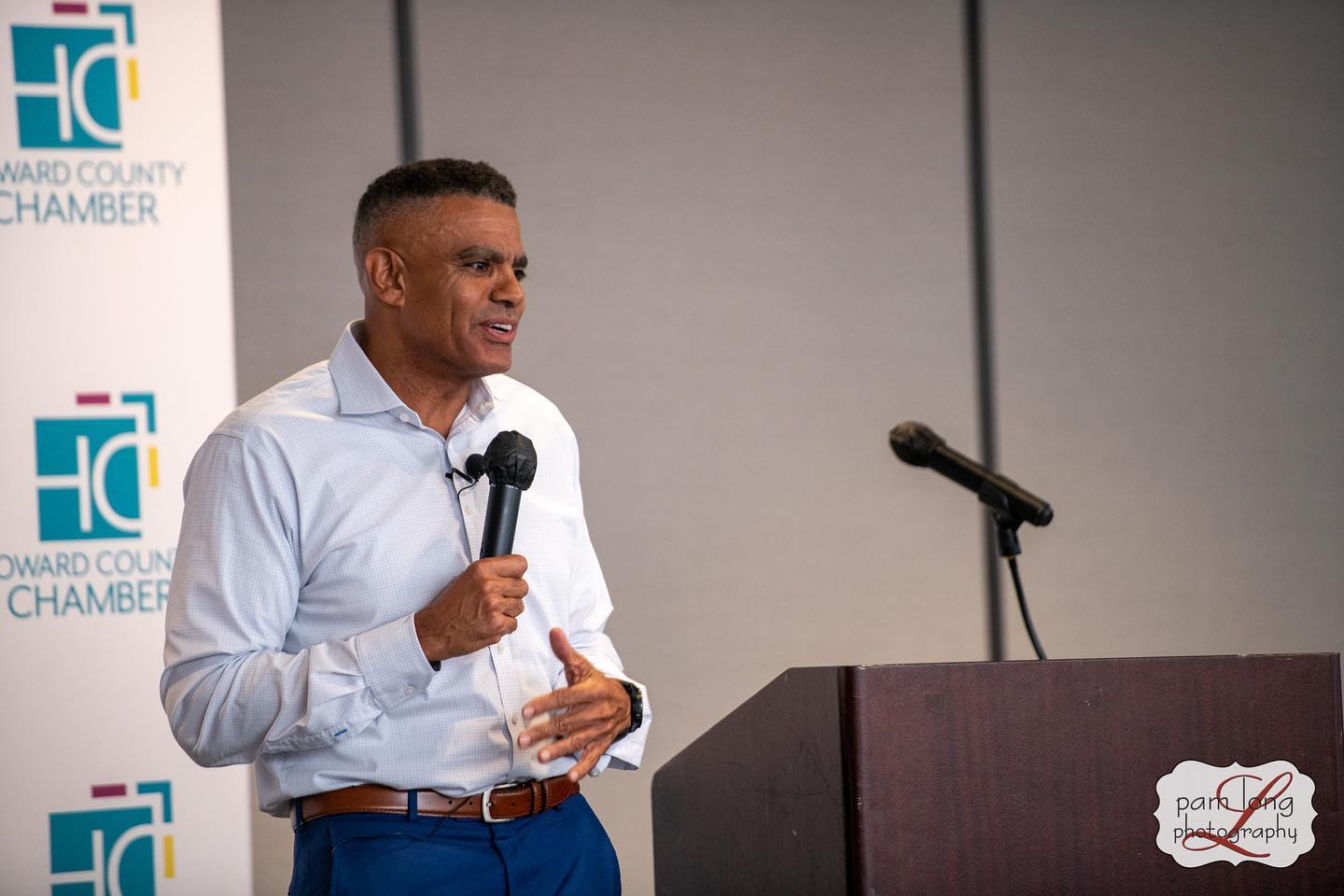
Edward DeJesus speaking to employers about the importance of social capital
Survey of 90+ employers shows most young workers never follow up after internships, even though over 70% of employers welcome continued contact
If we don’t measure whether young people are building and maintaining professional relationships, we’re only seeing half the picture. A resume alone doesn’t get you in the door – people do.”
LAUREL, MD, UNITED STATES, April 22, 2026 /EINPresswire.com/ -- A new national survey from Social Capital Builders reveals a hidden weakness in America’s youth employment pipeline: young people rarely stay connected to the employers who could open doors for them after a summer job or internship.— Edward DeJesus
The report, Employer–Youth Connections After Internships: Survey Report, is based on responses from more than 90 employers who hosted interns or summer youth employees in the past year. Despite growing investments in youth employment and workforce programs, most young workers are not maintaining the employer relationships that can lead to referrals, rehiring, and long‑term opportunities.
Youth don’t follow up even when employers want them to
More than half of employers surveyed said that only 0–10% of the young people they hire stay in contact with supervisors after their work experience ends. At the same time, over 70% of employers reported that they would welcome continued contact, including requests for references, advice, or future job leads.
“This isn’t about handouts; it’s about habits,” said Edward DeJesus, President of Social Capital Builders. “We’re losing a generation’s opportunities not because there aren’t jobs, but because we aren’t teaching young people the skills to stay connected with the people who could hire them, mentor them, and open doors.”
Employers in the survey pointed to three main reasons youth do not follow up: lack of confidence, lack of guidance on what to say or how to reach out, and competing pressures once school or other responsibilities resume. Many said that when young people do reach out appropriately, they are eager to help.
Connection rates drive placement rates
The report argues that connection rates – how many young workers stay in touch with supervisors and workplace contacts after the job – are a critical but overlooked driver of placement and advancement rates. While workforce programs and schools often track credentials, attendance, and short‑term job placement, very few measure whether youth remain in contact with employers who could support their long‑term careers.
“Social capital is the missing metric,” DeJesus said. “If we don’t measure whether young people are building and maintaining professional relationships, we’re only seeing half the picture. A resume alone doesn’t get you in the door – people do.”
The findings suggest that many programs successfully place youth into work experiences, but stop short of equipping them with concrete strategies for staying in touch once the job ends. Without those skills, potential opportunities and referrals are left on the table, especially for young people who do not already have strong family or community networks in the labor market.
Why it matters for policy, parents, and practitioners
For policymakers, the report highlights the need to pair workforce investments with relationship‑building. Training slots, wage subsidies, and internship programs will have limited long‑term impact if youth are not learning how to convert short‑term work into lasting connections and mentorship.
For parents and caregivers, the findings underscore that a young person’s greatest inheritance is not just money or credentials, but people – supervisors, coworkers, and mentors who can offer guidance, recommendations, and job leads over time.
For conservative and fiscally minded leaders, the report frames social capital as a responsibility and work‑ethic issue, not an entitlement issue. Teaching young people how to follow up, express gratitude, and stay in touch with employers supports employment and mobility without expanding benefit programs.
Call for investment in social capital training
Social Capital Builders calls for new investment in practical social capital training within workforce development, youth employment, and school‑to‑work programs. That includes:
Teaching young people the science of social networks
Supporting young people in staying connected to individuals, organizations, and institutions that can make the difference
Training Workforce and Youth Development staff on Social Capital Builders' strategies
Incorporating a social capital framework in program and policy design
The report also recommends additional research into employer–youth connection rates, how often young people reach out after their work experience, and how those behaviors relate to future job placement and advancement.
Employer–Youth Connections After Internships: Survey Report is available for download at: https://api.socialcapitaltraining.com/widget/form/IU5fc16NT08gXN1781eQ
Edward DeJesus
Social Capital Builders
+1 202-713-8393
email us here
Visit us on social media:
LinkedIn
YouTube
Legal Disclaimer:
EIN Presswire provides this news content "as is" without warranty of any kind. We do not accept any responsibility or liability for the accuracy, content, images, videos, licenses, completeness, legality, or reliability of the information contained in this article. If you have any complaints or copyright issues related to this article, kindly contact the author above.
